Discovery research for a B2B product
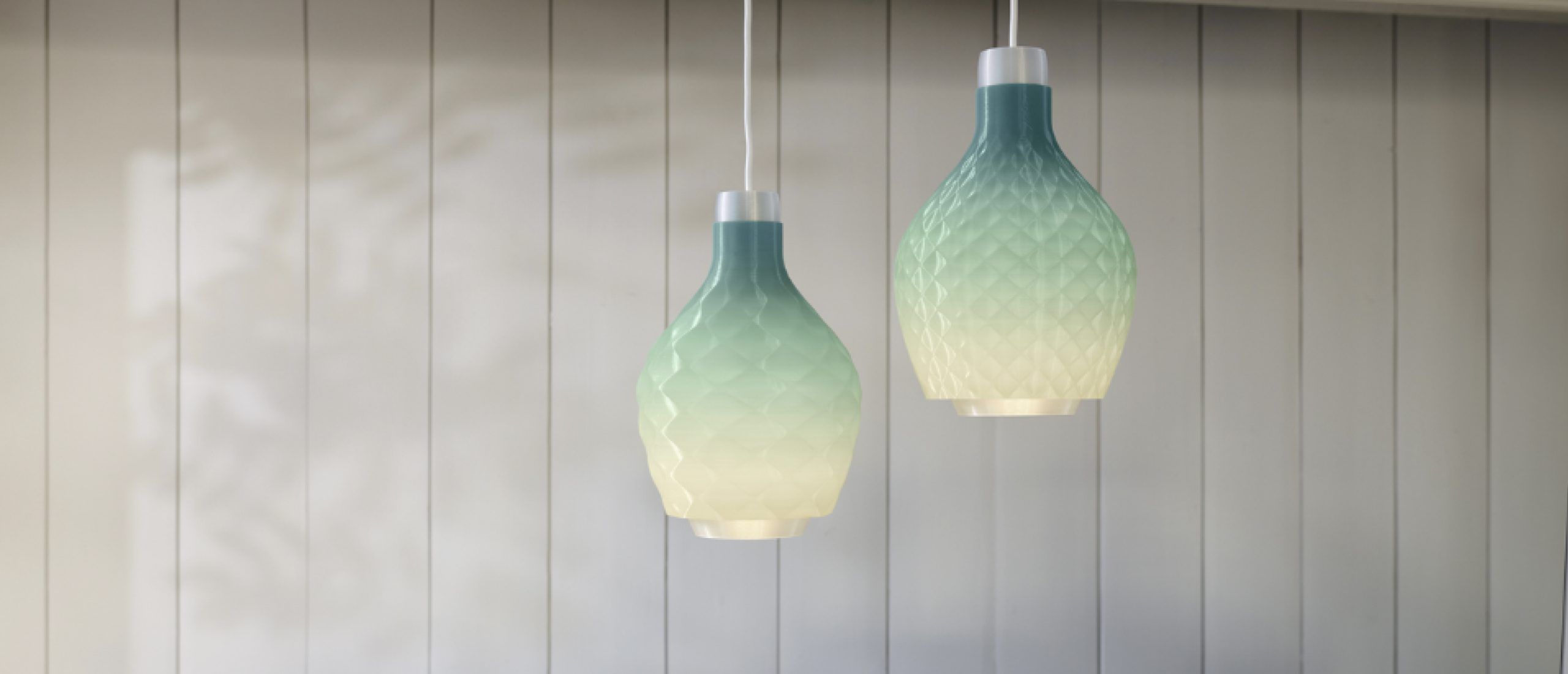
Research project aiming to support the discovery phase of a desktop software for Signify, (originally Philips Lighting). This project is under NDA, for that reason, I can not provide all the details or share images of the process.
Project & objective
Role
UX researcher for the project, which was done in two phases. Phase one, gathering user needs and stakeholders' requirements. Phase two, plan and conduct concept testing of the design proposal through interviews with low-fidelity prototypes.
Team and collaboration
Lead UX designer, researcher, UX/UI designers, lighting designer specialist, and head of design. During the project, I was supported and collaborated closely with the UX lead designer. Also, two UX/UI designers helped with note-taking and one with video editing.
Problem space
Within the context of digital transformation and innovation, Signify wants to up its game and offer a new digital tool for B2B. The goal was to explore a solution that would meet both user and business expectations.
Research goals
Phase 1: What are the needs of end users? What is our competition offering?
Phase 2: Is our concept going in the right direction?
Project summary
First stop, discovering end users.
In this exploratory phase, we would create a design solution but first, we needed to gather user needs, stakeholders' requirements, and a view of the competitors' landscape.
To inform ourselves we run workshops with internal participants, who were part of the target audience. We gathered feedback from the different stages of their workflow, their journey, and their needs. I analyzed and synthesized data and formulated ideas. I also translated their needs into user stories and flows.
Secondarily I run a competitive analysis to gain knowledge of the landscape of the existing solutions in the market.
Second stop "Concept testing"
We ideated and the team worked on wireframes and built a prototype to test in this phase of the project. Our objectives were:
- Understand better user needs and validate the knowledge we had gained in Phase 1.
- Asses if the proposed software solution would solve a real user need and would be relevant to their workflow.
- Gauge if design and naming were understood as intended.
- Gather pain points.
Method
Six remote moderated interviews and prototype interaction. All sessions were joined by different stakeholders as observers.
Constraints
Limitations were timeline and budget, as the resulting product proposal was yet to be approved.
Participants
Participants were external to the company from different markets with knowledge of the brand.
To obtain the desired outcome I aligned research goals with interview questions. All the participants were asked questions to learn about their workflow, pain points, and tools prior to interaction with the prototype. From the interviews, I collected their attitudes, what they said about the proposed idea, and their actions within the prototype. I prompted them to speak aloud and share their thoughts and reactions.
To gather first impressions and understanding of the design and naming I let them interact with the designs without previous explanation. Thanks to the prototype we could see their behavior and get a better understanding of their needs.
Analysis approach
Notes were taken in Figjam to facilitate team collaboration. I did a thematic analysis, and grouped the data into several levels:
- Overall if the platform met or not participants' expectations and mental models.
- Findings from each section of the solution.
- Findings that referred to the features.
Delivery
We presented a summary of findings through a video that contained an explanation of findings accompanied by participants' video quotes. The purpose of the format was to give a quick overview of the study to the steering committee.
I wrote a long-form report with detailed information about each theme, referring to the relevant participants and extracting their quotes.
End result
- Translated successfully the main user pain point and needs of the target audience to confidently moved forward the project in the right direction.
- We could present a solid business case and reduce risk in development, by clearly prioritizing functionalities.
- We gained a better understanding of the barriers we had to overcome for this solution to work.
Reflections
One of the lessons I carry from the discovery phase is the impact of choosing participants only from one segment to obtain user needs and base the solution solely on them. As we could see from the interviews, in phase two, the main pain point for them differed from the main pain point of users from the first round of data gathering.
Projects Overview
Landing Pages for a global leaderProject type
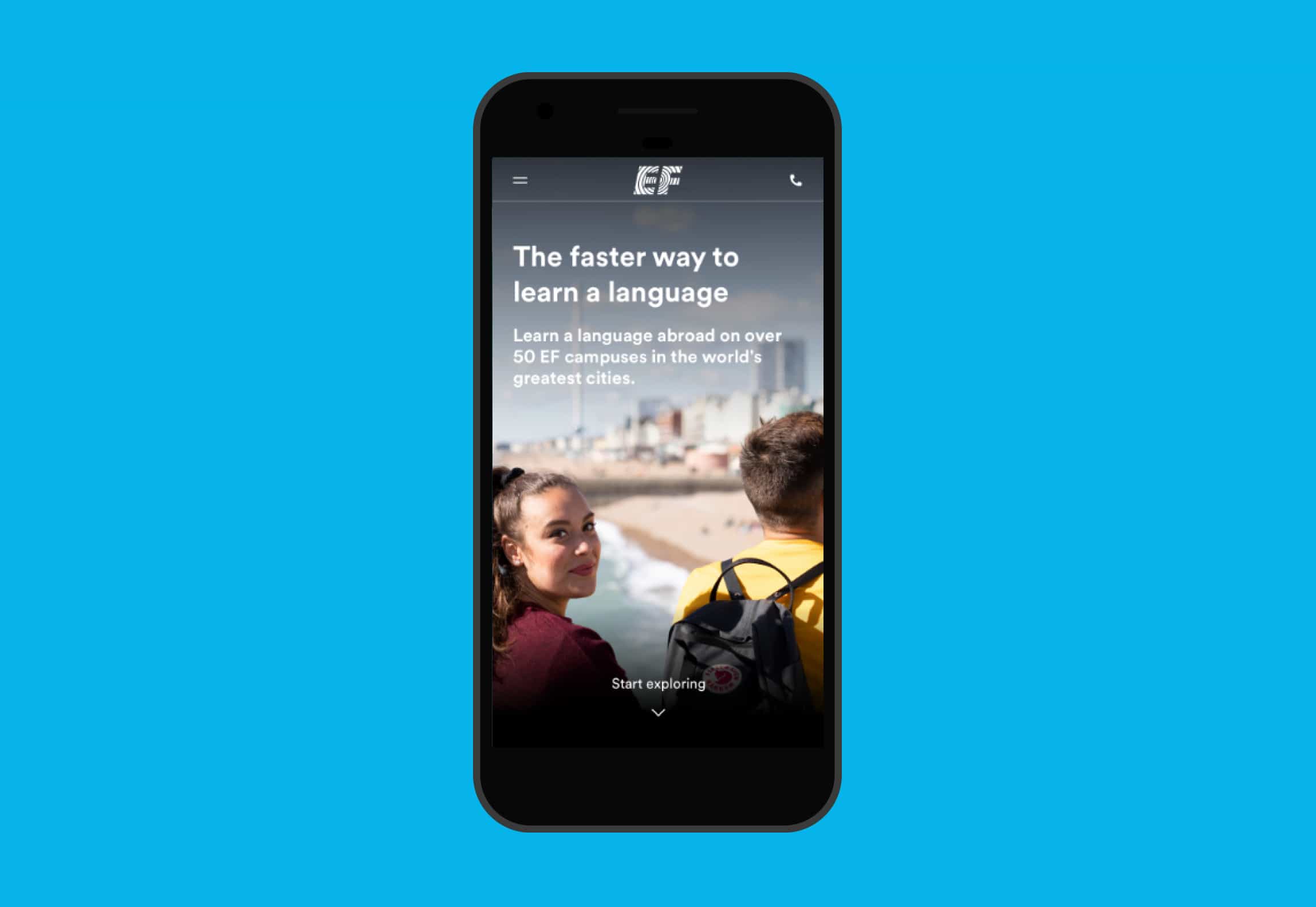
EF Language WebsiteWeb / UX Research



EF Go BlogBranding / Web